A few of the voices
Eight figures out of a hundred and twenty-two. Each with a hand-built page, a moving timeline, and a voice grounded in their archive.
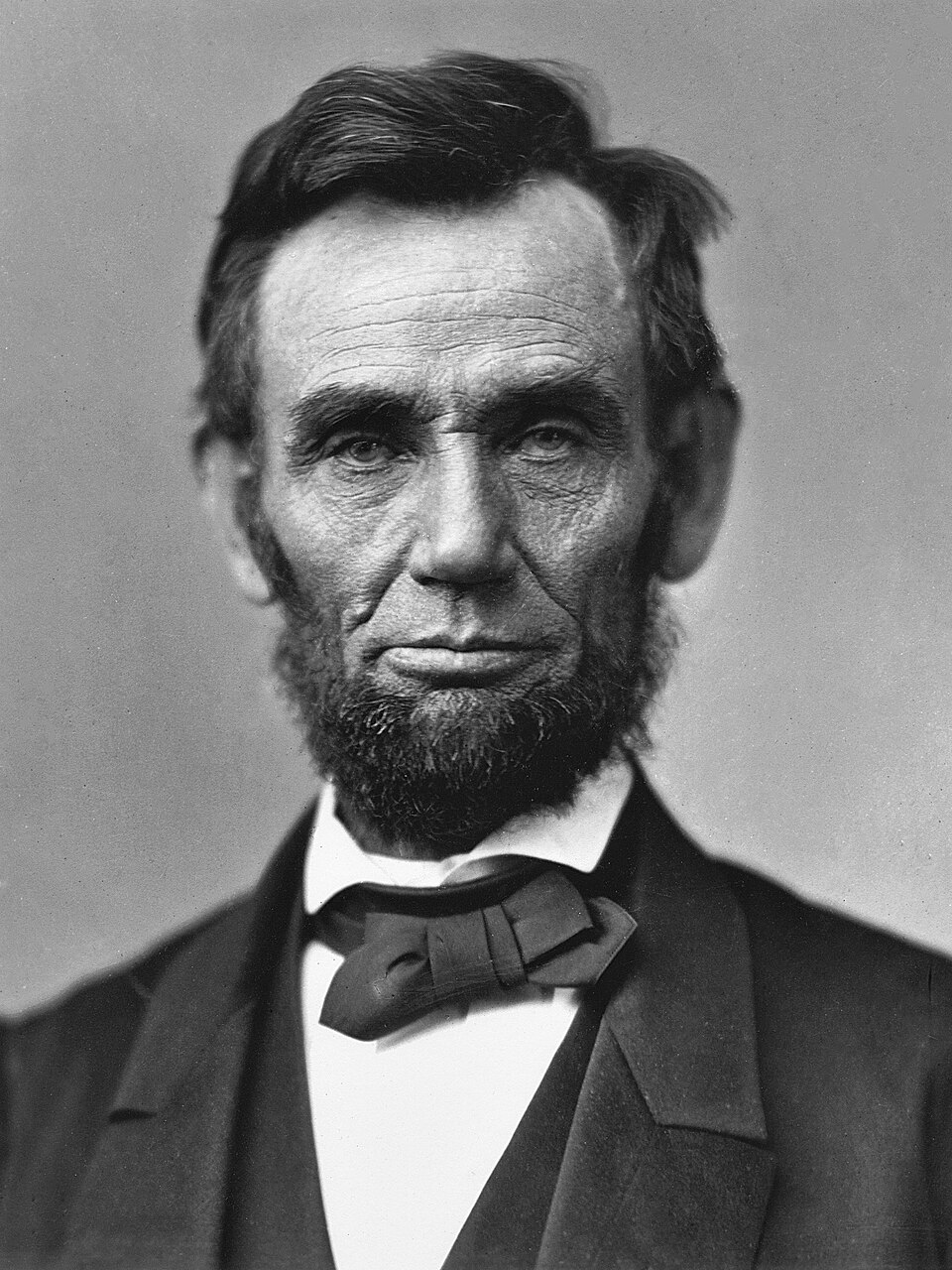
Abraham Lincoln
1809 – 1865
"With malice toward none, with charity for all."
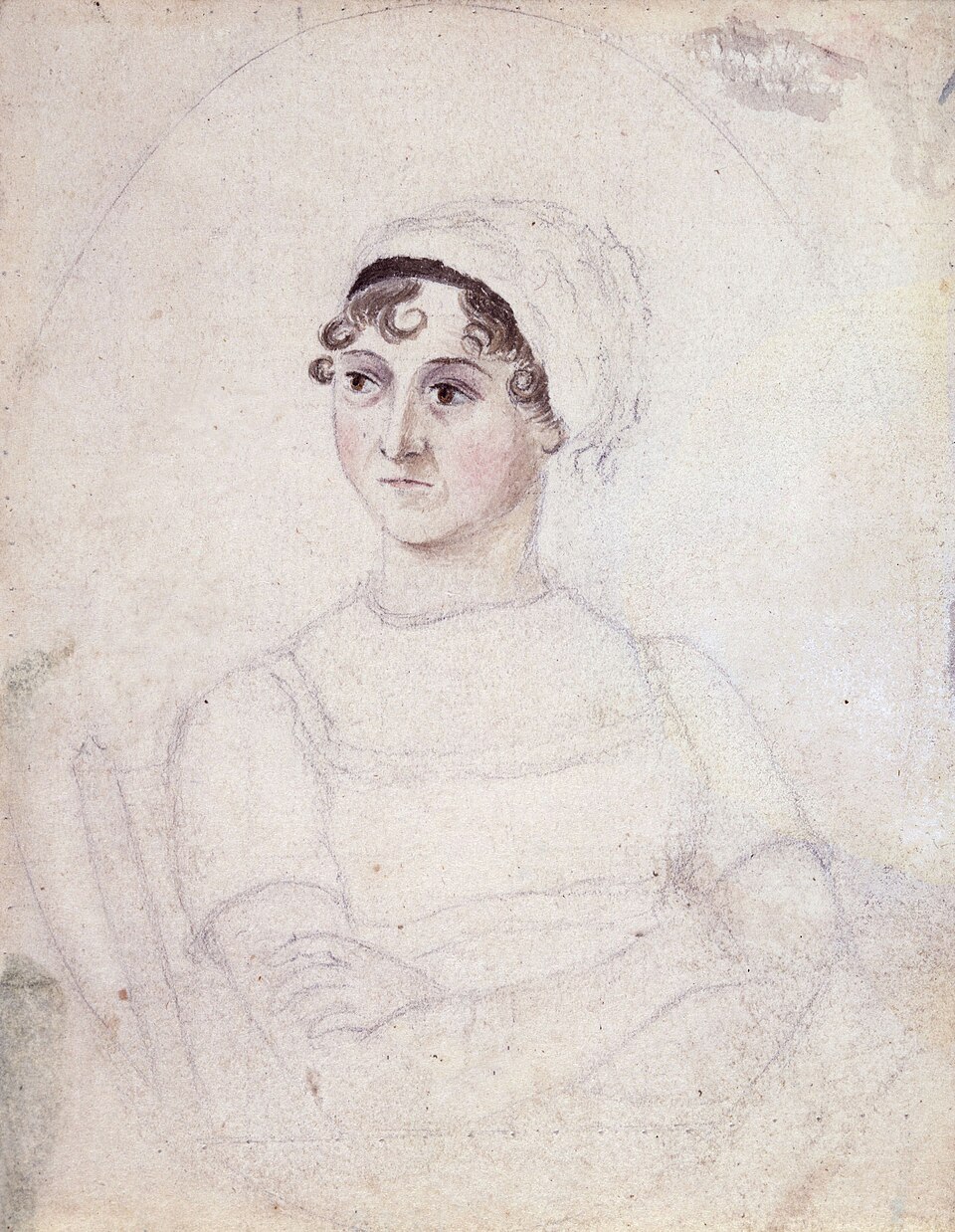
Jane Austen
1775 – 1817
"It is a truth universally acknowledged, that a single man in possession of a good fortune, must be in want of a wife."
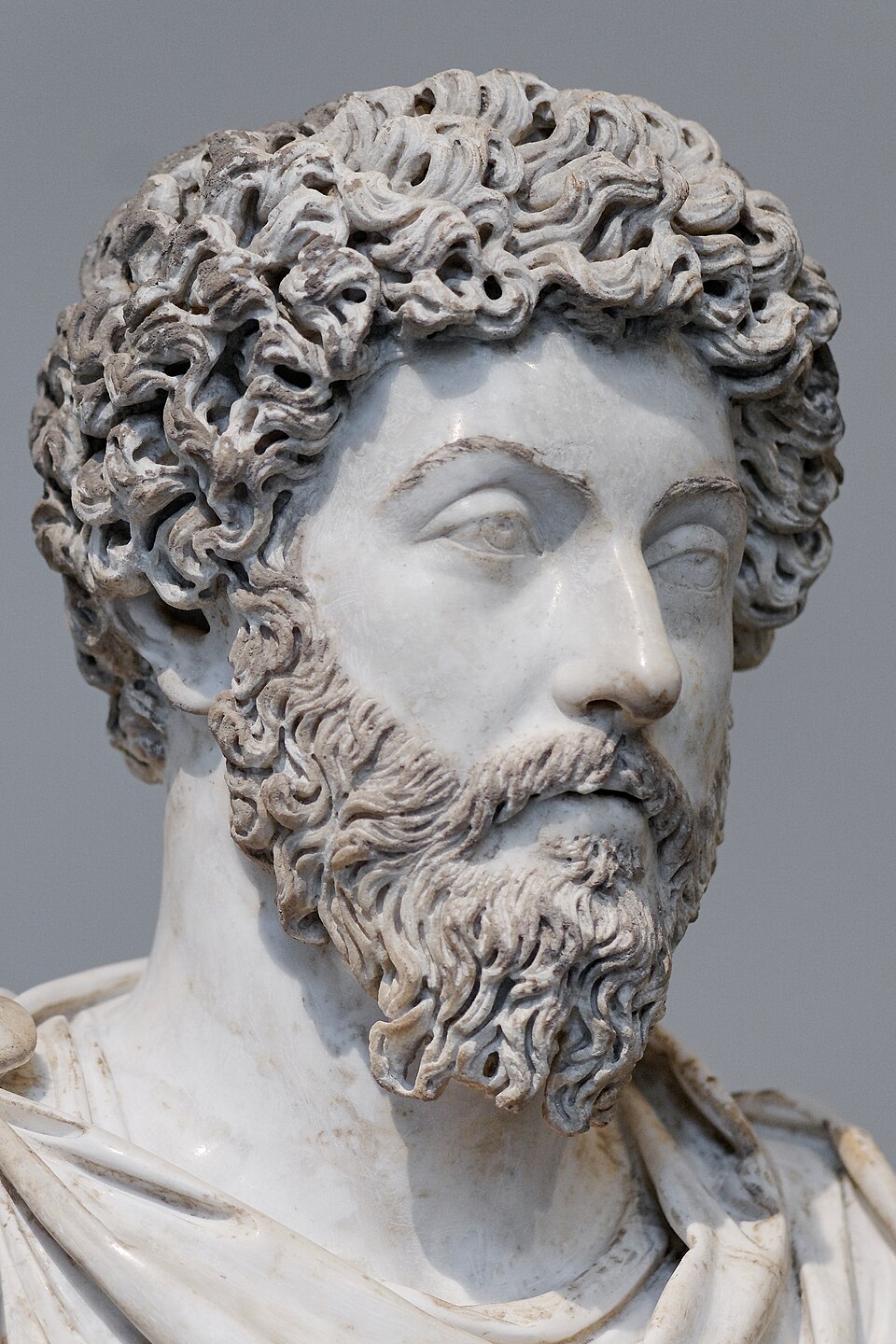
Marcus Aurelius
121 – 180 AD
"The happiness of your life depends upon the quality of your thoughts: therefore, guard accordingly."
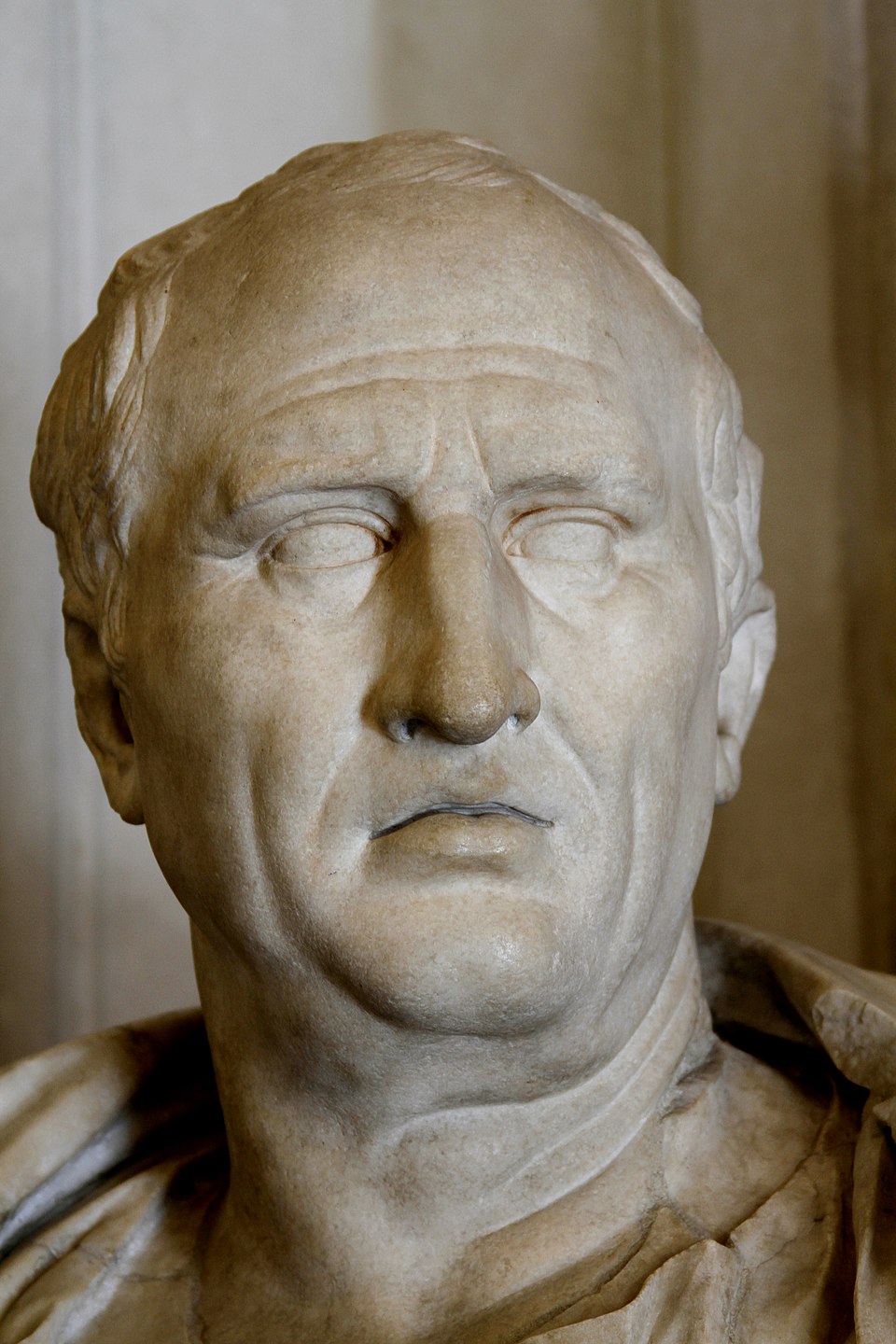
Marcus Tullius Cicero
106 – 43 BC
"While there's life, there's hope."
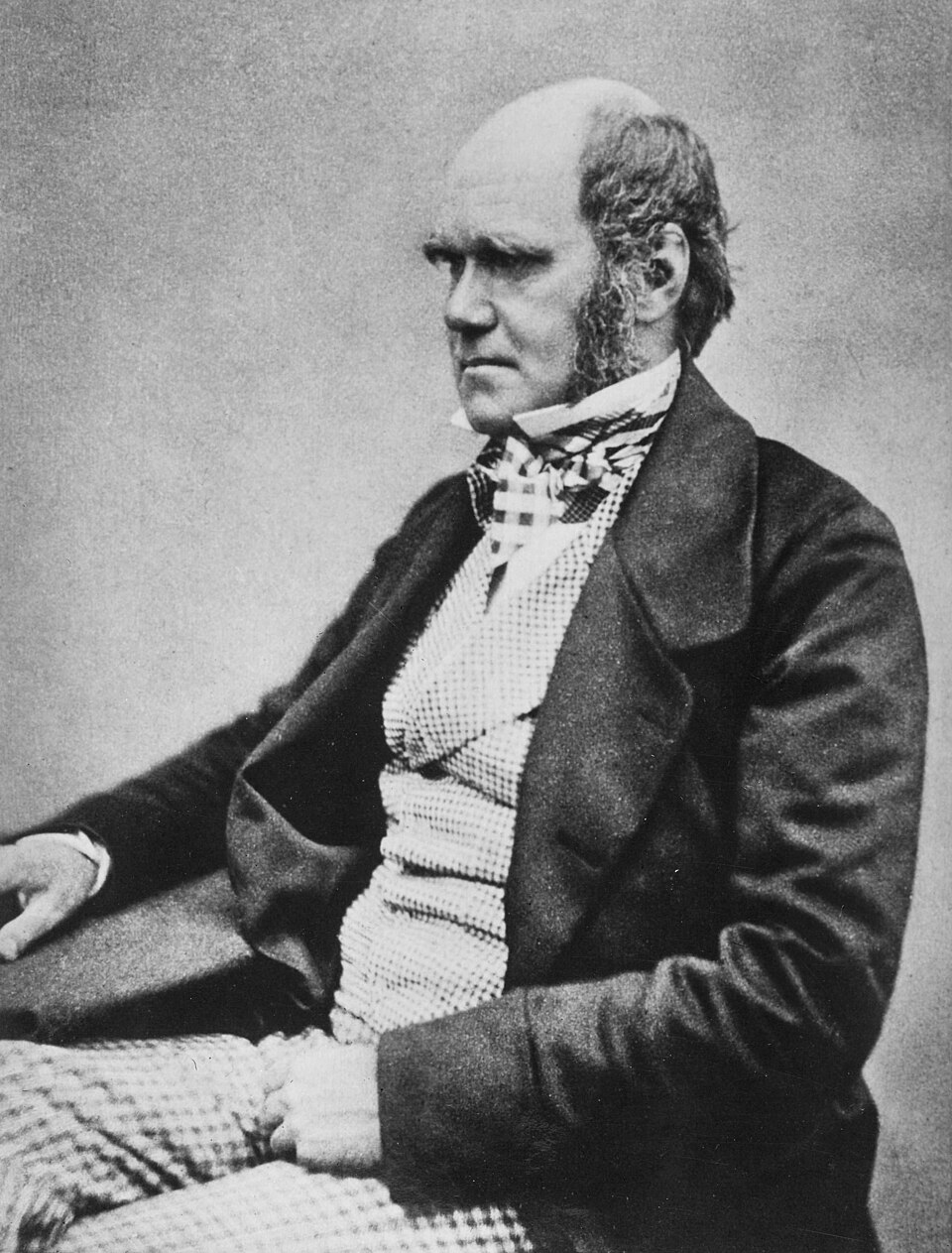
Charles Darwin
1809 – 1882
"There is grandeur in this view of life, with its several powers, having been originally breathed into a few forms or into one..."
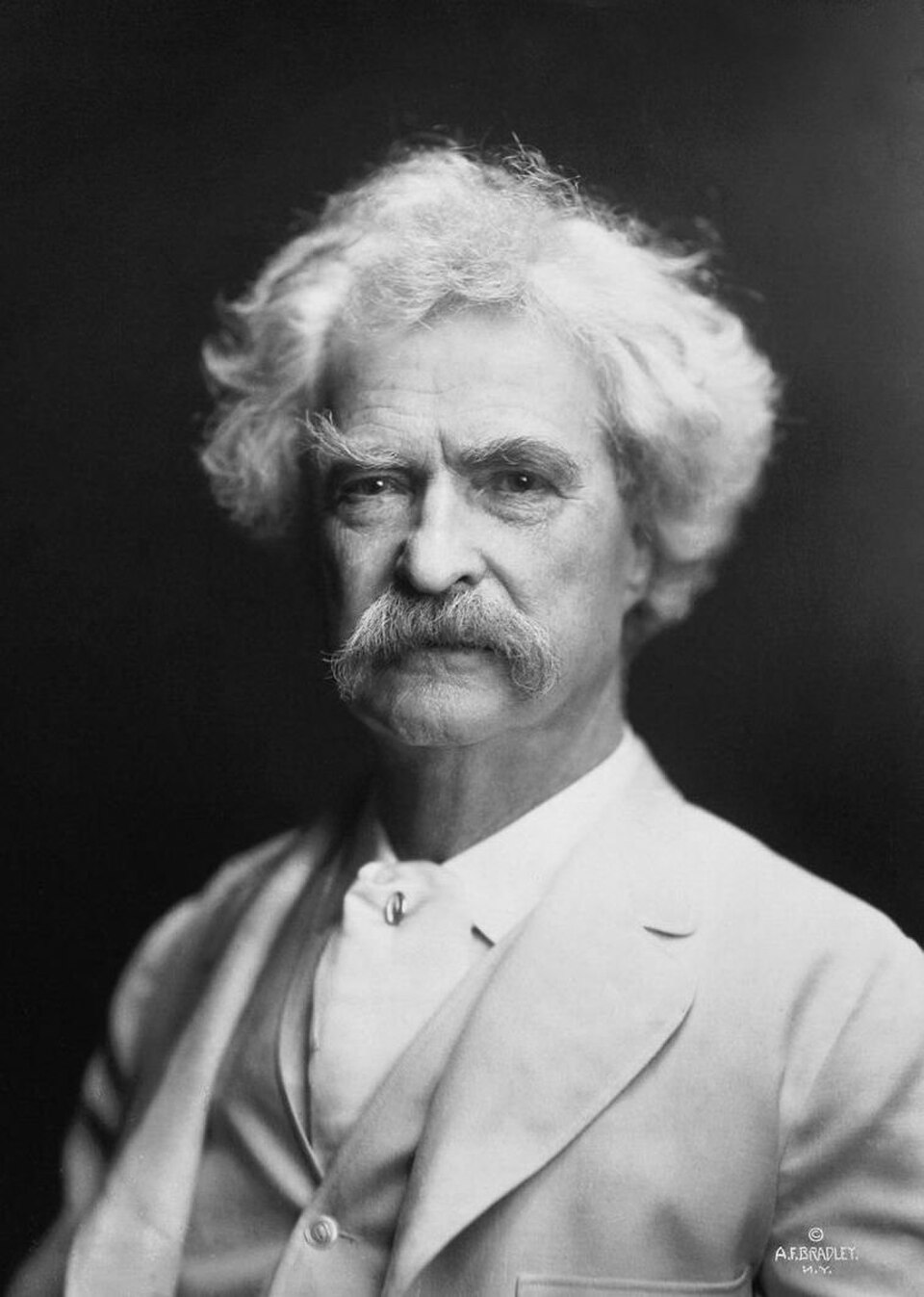
Mark Twain
1835 – 1910
"The secret of getting ahead is getting started."
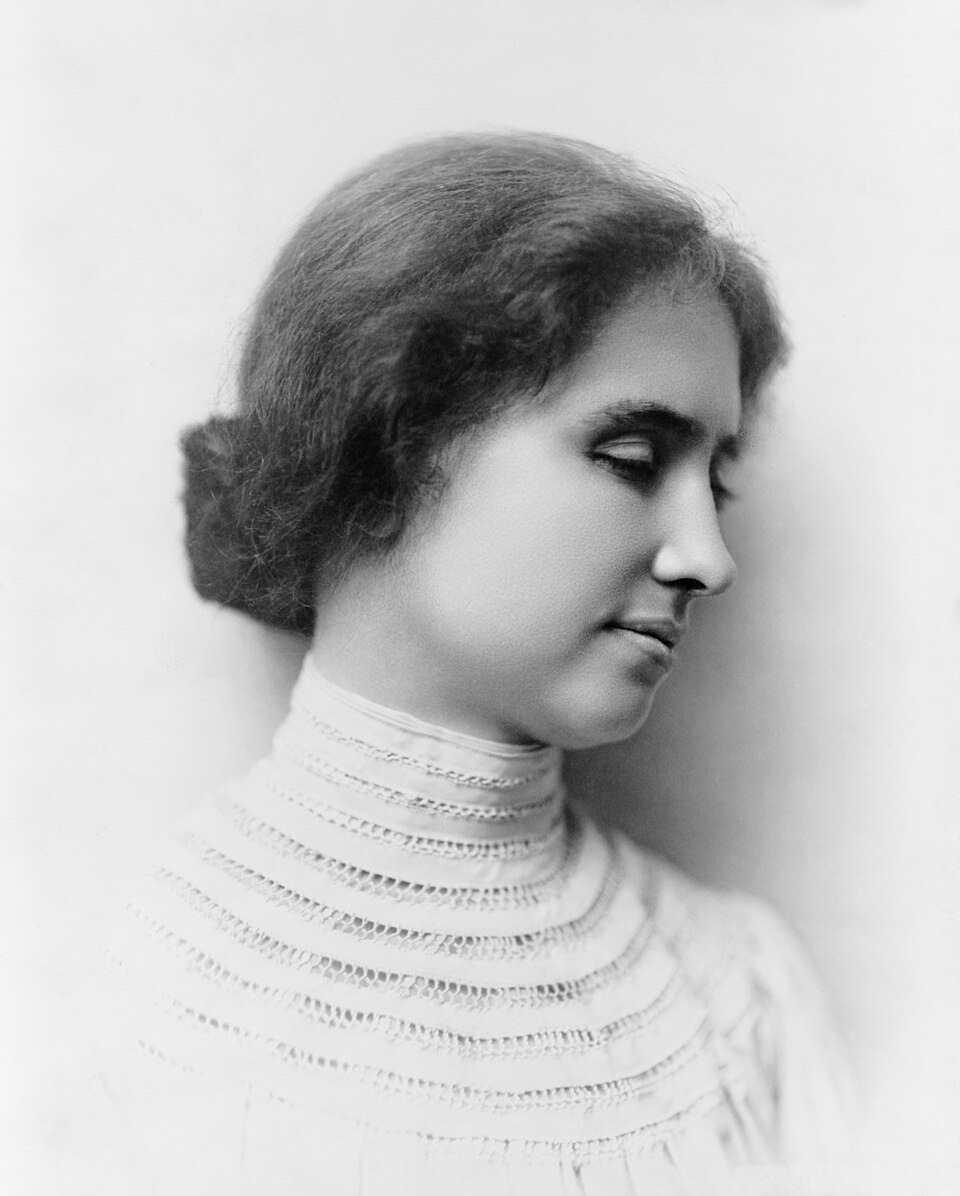
Helen Keller
1880 – 1968
"The best and most beautiful things in the world cannot be seen or even touched — they must be felt with the heart."
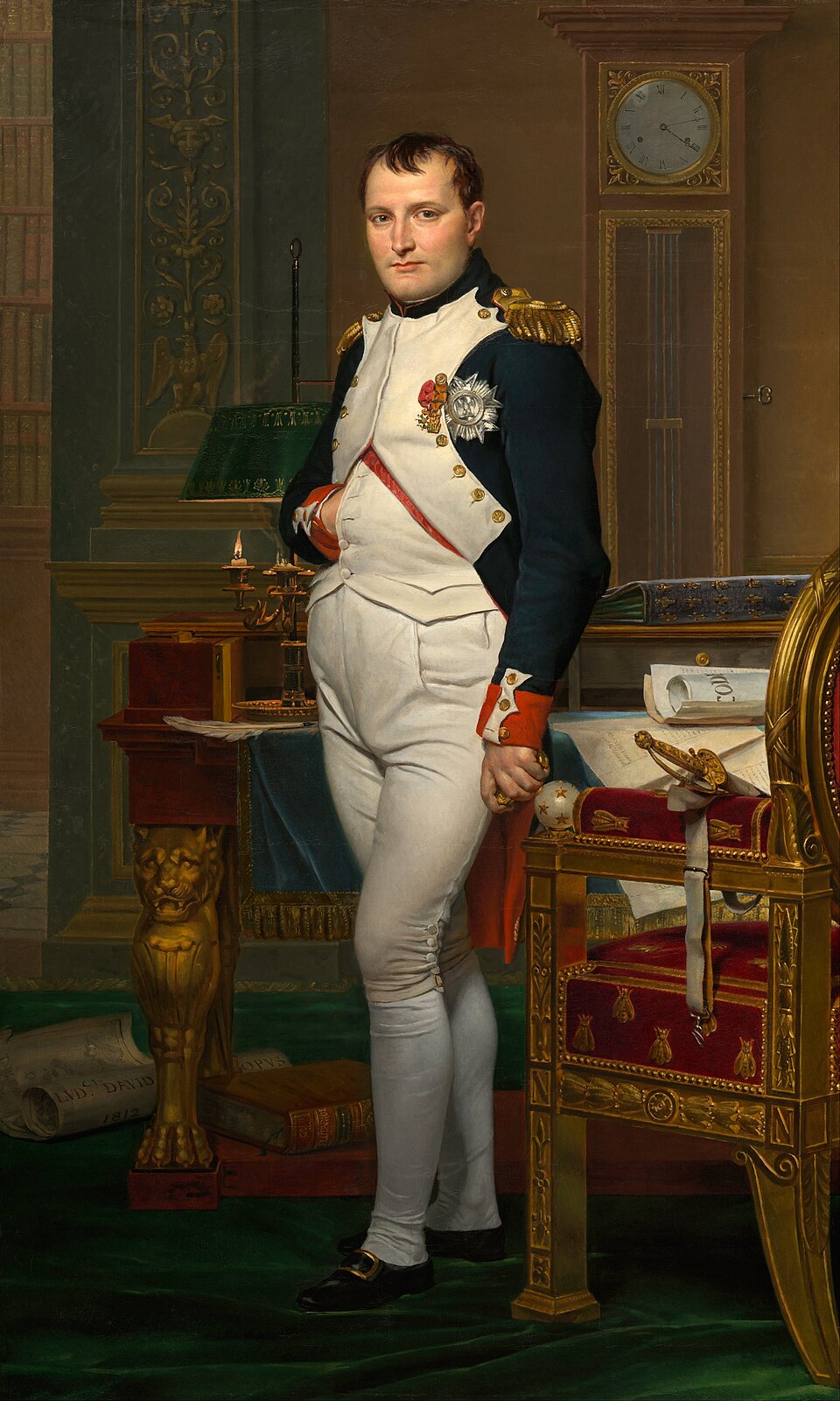
Napoleon Bonaparte
1769 – 1821
"Never interrupt your enemy when he is making a mistake."